Taking place in Key Biscayne, the ISLA Americas’ Annual Securities Finance & Collateral Management Conference is back for a third year. What are you most looking forward to? What new concepts will be explored?
What I am most looking forward to is bringing together such a broad cross section of the market for a thoughtful and practical conversation about where securities finance goes next. One of the real strengths of this conference is the range of perspectives in the room, from beneficial owners and hedge funds to intermediaries, infrastructure providers, and market practitioners. That kind of dialogue matters, especially at a time when the market is moving on several fronts at once.
In terms of new concepts, I expect some of the most interesting discussions to focus on liquidity, collateral, and market structure. There is a growing recognition that collateral should be viewed more strategically, not just as an operational requirement, but as an asset that can be optimised for liquidity, efficiency, and revenue generation. I also expect strong discussion around how technology, digital infrastructure, and changing trading patterns may influence the future shape of the market. What makes this especially exciting is the opportunity to move beyond theory and focus on what can truly be implemented in a way that benefits clients and strengthens the market overall.
The programme for the event is rooted in the industry’s most pressing challenges and opportunities. From your perspective, what key moments or movements in 2026 are shaping the securities finance market?
What stands out in 2026 is just how connected the market’s major themes have become. Regulation, capital, collateral, market structure, and client expectations are no longer separate conversations. They increasingly influence one another, and that is having a direct impact on how firms think about liquidity provision, balance sheet usage, and operational readiness.
Several developments are shaping that environment. Treasury clearing, the potential for greater equity-for-equity use among US broker-dealers, preparations for European T+1, and the implications of longer trading hours all create important considerations for funding, collateral mobility, and capacity.
At the same time, firms are continuing to focus on how to make better use of resources while maintaining strong risk discipline and delivering for clients. That combination of change and complexity is one reason industry dialogue matters so much right now. Securities finance sits right at the intersection of many of these developments, and the market’s ability to adapt in a coordinated way will be important.
What are your thoughts on the next evolution of securities finance and what will actually change it?
I believe the next evolution of securities finance will be shaped by how clearly the market positions itself as a strategic tool for clients rather than simply a market utility. For the buy side, that means increasingly using securities finance as a mechanism for portfolio optimisation, for supporting portfolio objectives and, where appropriate, for contributing to alpha generation. It is no longer just about programme efficiency or operational execution. It is about how securities finance can play a more meaningful role in the overall investment and liquidity strategy.
On the sell side, the evolution will also be driven by the ability to create structures and opportunities that fit within balance sheet and capital capacity in a way that remains attractive to clients. That is where a good deal of the real innovation and discipline will need to come from. The firms that succeed will be the ones that can connect client goals with market opportunity in a way that is efficient, scalable, and grounded in strong risk management.
What will actually change the market is a broader shift in mindset. As more participants view securities finance as a source of strategic value rather than a purely functional activity, the market will continue to evolve in both relevance and sophistication. To me, that is where the next phase of growth and differentiation really sits.
Which panels would you consider a must-see?
It is hard to choose because there are several strong panels on the agenda, but for me, ‘Collateral as Currency’ is definitely one of the must-sees. The session features key buy side voices discussing how collateral can increasingly be viewed not just as an operational necessity, but as an asset class that can be optimised for efficiency, liquidity, and revenue generation. I think that reflects a much more strategic view of securities finance and of the role collateral can play in helping firms achieve broader portfolio and funding objectives.
I would also highlight ‘Who Will Provide Liquidity?’ because it gets right to one of the defining questions for the market. As regulation, capital requirements, and market structure continue to evolve, the ability and willingness of different participants to provide liquidity will remain central to the future of securities finance. It is a timely discussion and one that should resonate across a broad range of market participants.
What market are your firms building towards, and who or what will run the market in 2035?
We are building toward a market that is more connected, more efficient, and better equipped to support clients in an increasingly complex trading and financing environment. That means a market where liquidity can be accessed more effectively; collateral can be mobilised more intelligently; and the underlying infrastructure is strong enough to support greater speed, scale, and transparency without compromising control or resilience.
By 2035, I expect a much greater degree of automation across routine activity, and I believe data, technology, and digital infrastructure will play a much larger role in how the market operates day to day. At the same time, I do not see this becoming a market run by technology alone. The firms that lead will be the ones that combine innovation with deep market expertise, strong relationships, and sound judgment. Technology will enable the market, but people will remain central to building trust, managing risk, and delivering for clients.


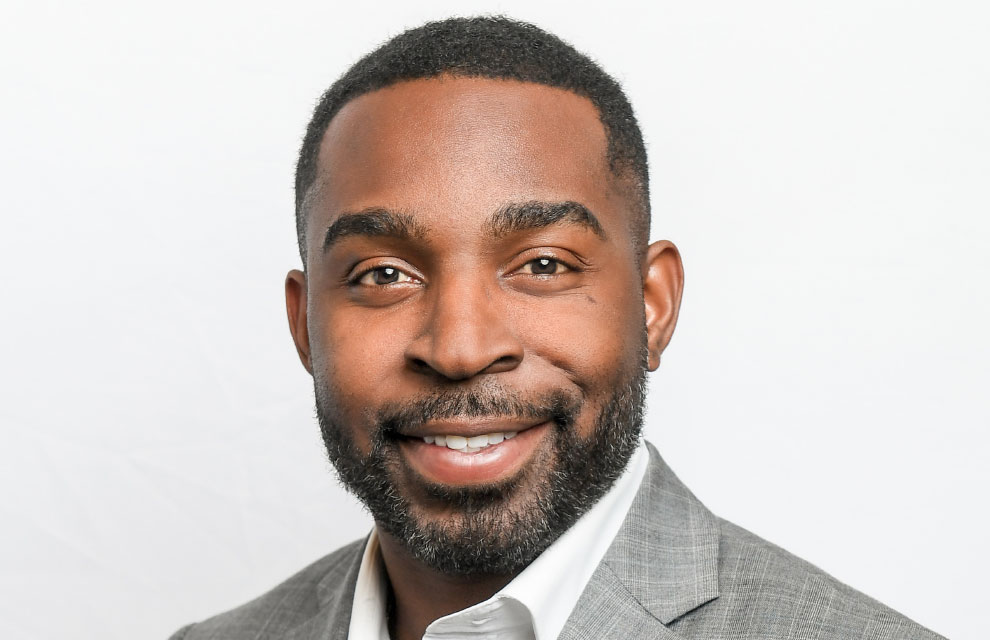 Image: Shane Parks